Showing posts with label Dr. Brian Williams. Show all posts

Wednesday, February 19, 2014

The Scottsdale Dental Practice of Dr. Brian Williams is Centered on Prevention & Health

We have centered our practice on prevention and health as opposed to one that simply emphasizes emergency and repair care. The supporting gum tissue and bone are just as vital as the teeth themselves. Unfortunately only lip service is paid to these important areas and prevention is often misunderstood and inadequately stressed.  The best way to protect and maintain the crucial supporting structures of your mouth for life is to have a qualified hygienist clean your teeth regularly, at which time preventive procedures can be implemented to protect your dental health. While the responsibility for returning for periodic preventive treatment lies with you, we will provide an ongoing program of health maintenance with you.

Thursday, January 16, 2014

Do your Gums Bleed when you Brush or Floss?

Bleeding gums are never normal. If your gums bleed when you brush, it could be a sign of gingivitis, the early stage of gum disease. It also could be something simple like brushing or flossing too hard. If your gums bleed regularly or enough to worry you, make an appointment with our office.

Monday, January 13, 2014

What are the Causes of Black Gums?

There are a variety of reasons for black gums and in most cases, the cause is not serious.  For example, amalgam tattoos are dark spots that may form around fillings, dentures, and crowns. This issue often looks like a blue or black tattoo in the mouth, and though it is not desirable to those seeking a perfect smile, it is also harmless. Of course, amalgam tattoos can be removed by a dentist if preferred. 

Calculus, which is a substance that can build up in the mouth when oral hygiene is lacking, can also cause dark areas on the gums.

Black gums may also be a symptom of acute necrotizing periodontal disease, also known as black gum disease. The black coloration is a result of dead tissue, or necrosis.

Black gums may also be a sign of malignant melanoma in the mouth, which is particularly difficult to treat. The good news is that dark gums can typically be avoided through sufficient oral hygiene that includes regular brushing, flossing, dental checkups, and avoidance of smoking and chewing tobacco. 

If you have black gums, it is best to be evaluated by a dentist to rule out the possibility of a serious cause.  Feel free to contact our office for an oral evaluation by Scottsdale dentist, Dr. Brian Williams.
 

Monday, December 16, 2013

Oral Thrush/Candidiasis.

Oral thrush, also known oral candidiasis, is a condition that occurs when a fungus called Candida albicans builds up on the lining of your mouth.  Anyone can develop oral thrush, but babies, young children, older adults, or anyone with a compromised immune system due to an illness such as HIV are more susceptible. Conversely, candidiasis lesions can be an early sign of an HIV infection. 

The main symptom of oral thrush is creamy white lesions in the mouth, usually on the tongue or inner cheeks. In some cases, the lesions may appear on the roof of the mouth or on the back of the throat. Thrush is caused when the naturally occurring fungi in the body get out of balance, which is why the very old, very young, and people with weak immune systems are at higher risk. Good oral hygiene is an essential part of treating oral thrush. Healthy adults and children can recover fairly easily from the infection, especially if they follow a complete oral care routine of twice-daily tooth brushing and daily proper flossing.

If you are experiencing any symptoms of candidiasis, contact Dr. Brian Williams immediately at (480) 889-1800 for an oral examination. 

Tuesday, December 10, 2013

Our Mission Statement

"Our Mission is to help people keep their permanent teeth  for their whole lifetime.  We achieve our mission by providing an atmosphere for our patients to make positive choices for long-term health.  We provide support through patient education and teach the importance of Function, Stability, and Aesthetics as part of our comprehensive care philosophy.  We also believe that the foundation for better health is the  maintenance of the mutual trust, care, respect, understanding, and fairness that is necessary to any doctor—patient relationship."  - Dr. Brian Williams & Staff

Dr. Brian Williams, D.D.S., F.A.G.D., 9825 E. Bell Road, Suite 140, Scottsdale, AZ 85260
Office: (480) 889-1800  Fax: (480) 889-0156  Website: www.brianwilliamsdds.com

Wednesday, December 4, 2013

Bad Breath

Bad breath can be caused by what you eat, not cleaning your mouth, dry mouth, smoking or other medical conditions. Persistent bad breath can also be one of the warning signs of gum disease. Brushing twice a day and flossing daily are essential to reducing bad breath and preventing gum disease. Brushing your tongue can help too. If you’re concerned about what’s causing your bad breath, contact Dr. Brian Williams. He can determine the cause and offer a treatment plan.

Thursday, November 21, 2013

Oral Appliance Therapy for Snoring - by Scottsdale Dentist, Dr. Brian Williams

Snoring is the sound of partially obstructed breathing during sleep. While snoring can be harmless, it can also be the sign of a more serious medical condition known as obstructive sleep apnea. Obstructive sleep apnea occurs when the tongue and soft tissues fall back into the throat during sleep, totally blocking the airway. This has been associated with cardiovascular problems and excessive daytime sleepiness.

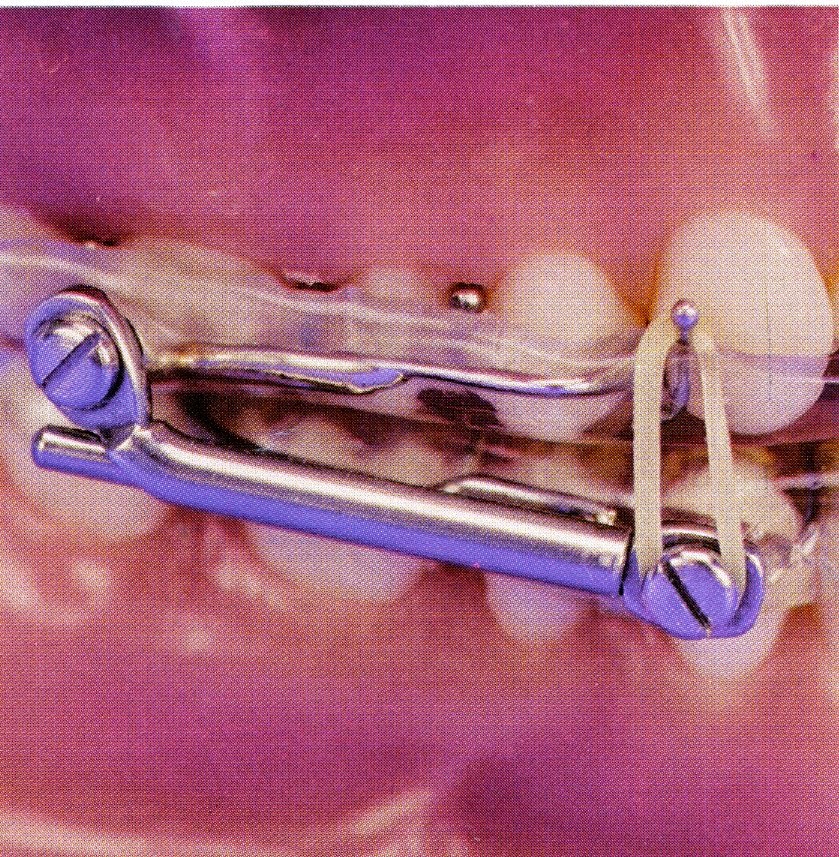
Oral appliance therapy involves the selection, design, fitting, and use of a specially designed oral appliance that, when worn during sleep, maintains an open, unobstructed airway in the throat. Oral appliances that treat snoring and obstructive sleep apnea are devices worn in the mouth, similar to orthodontic retainers or sports mouthguards.

Dr. Williams is trained in oral appliance therapy and can help you determine which one is best suited for your specific dental and medical conditions. Dr. Williams will work with your physician as part of the medical team in your diagnosis, treatment, and ongoing care.  Oral appliance therapy can take from several weeks to
several months to complete. After your initial phase of treatment is complete, Dr. Williams will continue to
follow you to be sure that treatment remains successful and to evaluate the response of your teeth and jaws.

Benefits of Oral Appliance Therapy:

  • More Restful Sleep (for you and your partner)
  • Better Oxygenation Levels
  • Inexpensive & Non-Evasive (non-surgical)
  • Excellent Patient Compliance (alternative to CPAP)
  • Better Overall Health


If you would like to be evaluated by Dr. Brian H. Williams for Snoring/Oral Appliance Therapy, please call (480) 889-1800.  


Tuesday, November 12, 2013

Locate Hidden Decay with DIAGNOdent


Offered at the office of Dr. Brian H. Williams, DIAGNOdent.  

This safe and pain-free laser light machine detects decay as it appears beneath the surface (from the inside out). DIAGNOdent allows us to locate hidden decay, and with treatment, stop the spread of disease before it destroys the tooth from within. A number scale and an alarm signal the doctor when there are signs of hidden decay.  

For more information on DIAGNOdent, or to schedule a consultation, contact the office of Brian H. Williams, DDS, FAGD, Ltd., at (480) 889-1800.  You may also visit our website at: http://www.brianwilliamsdds.com.
     

Wednesday, November 6, 2013

November is National TMJ (Temporomandibular Joint) Awareness Month.

Temporomandibular Disorders (TMD) occur as a result of problems with the jaw, jaw joint and surrounding facial muscles that control chewing and moving the jaw. 

Common symptoms of TMD include:
-Pain or tenderness in the face, jaw joint area, neck and shoulders, and in or around the ear when you chew, speak, or open your mouth wide.
-Limited ability to open the mouth very wide.
-Jaws that get "stuck" or "lock" in the open- or closed-mouth position.
-Clicking, popping, or grating sounds in the jaw joint when opening or closing the mouth (which may or may not be accompanied by pain) or chewing.
-A tired feeling in the face.
-Difficulty chewing or a sudden uncomfortable bite – as if the upper and lower teeth are not fitting together properly.
-Swelling on the side of the face (May occur on one or both sides of the face).

Other common symptoms of TMD include toothaches, headaches, neck aches, dizziness, earaches, hearing problems, upper shoulder pain, and ringing in the ears (tinnitis).


If you are experiencing any of the above symptoms and would like an evaluation, please contact our office at (480) 889-1800.  

Thursday, August 29, 2013

Drinking Tea May Aid in Preventing Gum Disease

It may be a good thing to drink more tea.  A new study indicates that drinking tea may aid in preventing gum disease and prohibit cavities from developing. The information showed that three cups of tea each day battled bacteria, which led to a lower risk for gum disease and tooth decay.Black tea, specifically, possesses ingredients that fight certain bacteria like Lactobacillus and Streptococcus mutans, which are bacteria that cause gum disease. Three cups has become the recommended amount because the best results in fighting gum disease were shown by people consuming three to four cups of tea each day. The tea succeeds because it limits the amount of plaque acids released when eating.  The study demonstrated that the results were the same when sugar was added to the tea. Also, green tea produced similar results.  Previous studies on green tea determined that it could result in weight loss. This is accomplished by generating a larger expenditure of energy by the body and raising the body’s ability to burn fat.

dentistrytoday.com

Sunday, August 25, 2013

Emotional Stress Could Cause Periodontal Disease

Emotional woes may place a strain on more than just your heart. According to the Academy of General Dentistry (AGD), emotional anxiety could affect your dental health.
 
"There's definitely a link between stress and dental health," says AGD spokesperson Nick Russo, DDS. "Stress affects the immune system, which fights against the bacteria that causes periodontal disease, making a person more prone to gum infection."
 
While stress has long been linked to heart troubles, researchers studied the effects of stress on dental health at the State University of New York at Buffalo, the University of North Carolina and the University of Michigan. More than 1,400 volunteers, ages 25 to 74, were studied to see how stress and coping abilities affect the risk for periodontal (gum) disease, which causes oral infection, inflamed and bleeding gums and loss of bone.
 
Those at greatest risk for periodontal disease were those who were highly emotional in dealing with financial problems. The oral health of those with financial troubles was compared with those who had other pressures, such as stress over children, spouse, single life or work. People strapped for cash had the most severe periodontal disease. But here's the good news: Those who dealt with their financial strain in an active and positive manner had no more risk of severe periodontal disease than those without money problems.

knowyourteeth.com     

Sunday, August 18, 2013

Cause of Colorectal Cancer May Stem From Mouth Bacteria

There may be a newly discovered cause of colorectal cancer.
Two new studies indicate that a type of gut bacteria located in the mouth can cause colorectal cancer as a result of influencing the immune response and turning on cancer genes. The research team thinks this information could result in more efficient ways to diagnose, treat and possibly prevent colorectal cancer.
The information from the two studies appears in the August 14 issue of the online journal Cell Host & Microbe.
The gut contains trillions of bacteria, which outnumber the number of cells in our bodies. The microbe communities maintain their health by training the immune system and aiding in the digestion of food. The down side is that they could cause disease.
Previous studies have demonstrated that when there is an imbalance, the bacteria could cause colon cancer.
Of all cancers, colorectal cancer is the second leading cause of death for Americans. The researchers have determined Fusobacteria from the mouth are also plentiful in tissues of colorectal cancer patients.
The first study concluded that Fusobacteria in benign tumors can eventually become cancerous. In mice bred to have a form of colorectal cancer similar to that of humans, the bacteria increased the rate in which tumors formed.
In the second study, it was determined that Fusobacteria utilize a molecule that inhabits the surface of the bacterial cell. It then sticks to and attacks the human colorectal cancer cells.
dentistrytoday.com

Monday, August 12, 2013

Parents Need to be Careful with their Children's Pacifiers

 
Parents need to be careful with their children’s pacifiers. If not, dental decay could be the result.
Numerous studies show that dental decay can be transmitted to a child when an adult sucks on the pacifier to clean it.
A recent study in the journal Pediatrics goes into detail about this issue. There are few, if any, immunizing effects from adult saliva. Therefore, licking or sucking something to clean it off does nothing to get rid of germs.
It’s also important that parents don’t drip pacifiers in honey, juice, sweetened drinks or any kind of sugar. When exposed to those substances or anything with sugar, the result is often cavities or tooth decay.
The best way to clean a pacifier is to use something that is proven to be a disinfectant.

dentistrytoday.com

Saturday, August 10, 2013

Results from large international clinical trials provide dentists and patients with a new level of confidence in dental implant

Results from two of the largest international clinical studies performed to date with dental implants have just been published and demonstrate excellent clinical performance. Together, the studies have evaluated more than one thousand Straumann Bone Level implants in Europe, the US and Australia. The scope of these studies is particularly remarkable in view of the fact that most dental implant companies do not conduct clinical trials because they want to cut costs and do not have the capabilities.
 The studies are also remarkable in that they both reported very high implant survival rates of more than 98% with practically no bone loss around the implants. The findings are considerably better than values reported in a comprehensive review of previously published studies with other implants[1]. The new studies add to the wealth of strong clinical evidence backing the Straumann dental implant system and thus provide very good reasons for patients and dentists to insist on Straumann implants rather than undocumented alternatives.
 
The benchmark in clinical research
The first study was a randomized controlled clinical trial (RCT) at 11 clinical centers in Europe, USA and Australia[2]. RCTs are the benchmark in clinical research because they offer the highest level of clinical evidence. However, few are performed with dental implants and very rarely on such a large scale.
 This RCT has evaluated 106 patients each treated with one implant and followed for three years. The investigators compared the outcomes of two different approaches - the first involving two surgical steps, in which the implant is covered with gum tissue ('submerged') during healing, and the second involving just a single step, in which part of the implant is left exposed ('transmucosal') thus saving a second surgical operation. The most impressive highlight reported was the fact that only a single implant was lost, yielding 3-year implant-survival rates of 98.1% and 100% for the transmucosal and submerged groups respectively.
 Because bone loss around implants has been documented as a common undesirable effect of implant treatment[3], this study looked carefully at bone level changes. It showed that bone level was impressively stable over 3 years after implant placement, with mean decreases of less than 0.7 mm and 0.6 mm in the submerged and transmucosal groups respectively. These values are well below the data presented in previous studies with other implants. An analysis of published data showed that only three implant systems achieved mean marginal bone loss below 1 mm over a period of 5 years[1].
 
Excellent results also achieved in everyday practice
While RCTs demonstrate that products or treatments work well, they are usually conducted by specialists in selected and strictly controlled populations. This study was performed by dental practices and University clinics that are highly specialized in dental implantology, which raises the question of whether its excellent results can be reproduced in daily dental practice. To answer this, a large study using the same implant was conducted in Europe and the US, in which the dentists had to follow the product guidelines but were able to use the implant as they would in normal daily practice. The strength of this type of investigation, which is known as 'non-interventional study' (NIS), is that it documents real-life situations, in which indications, patients and conditions all vary widely.
 In this study[4], a total of 908 implants were evaluated in 538 patients at more than a hundred dental practices in six countries, revealing an implant survival rate of 98.5% after one year (the risk of failure is highest in the first year after implant placement5). Besides the very high survival rates, the bone level remained very stable in the majority of cases. The investigators therefore concluded that treatment with Straumann Bone Level Implants yielded very successful outcomes in 'real life' conditions.
 
Results impress further when viewed in the context of other published data
The survival rates reported in both studies are higher than those documented in the literature. The most recent analysis of published data on other implants showed an overall implant survival rate of 95.5% one year after implant placement[5], in contrast to the 98.5% achieved in this NIS in daily dental practice conditions.
 
Medicalnewstoday.com

Tuesday, July 30, 2013

GLO: The ZERO Sensitivity Whitening System

Dr. Brian Williams is now offering the revolutionary new whitening system, GLO!  This new product offers absolutely ZERO sensitivity.  So, if you have sensitive teeth and have always wanted to whiten, this is the product for you!

Call our office today at (480) 889-1800 to schedule your complimentary consultation.

Monday, July 22, 2013

Can a sinus infection cause a toothache?


Yes, a sinus infection (sinusitis) or inflammation can cause a toothache — especially in the upper rear teeth, which are close to the sinuses. In fact, pain in the upper teeth is a fairly common symptom with sinus conditions.
If you have a persistent toothache, first consult your dentist for an exam. He or she will consider possible dental causes for the toothache, such as periodontal disease, tooth grinding, cavities or dental abscesses.
If your dentist rules out a dental cause for the toothache, consult your doctor. He or she will consider whether a sinus condition or other underlying medical problem is contributing to the toothache.
from Alan Carr, D.M.D., mayoclinic.com

Saturday, July 13, 2013

Brian H. Williams, D.D.S., F.A.G.D., Ltd. - Preventive & Reconstructive Dentistry

Dr. Brian H. Williams has been practicing dentistry for over 25 years. Dr. Williams not only provides family, cosmetic and preventive dentistry in his Scottsdale, Arizona practice, he also provides maxillofacial prosthodontics and reconstructive dentistry.  He has been providing maxillofacial prosthetics to patients for over 15 years.

Below are a few of the maxillofacial prosthetic treatment options he offers. 


Maxillofacial Extra oral Prostheses
·        Ocular Prosthesis
·        Orbital Prosthesis
·        Auricular Prosthesis
·        Nasal Prosthesis
·        Midfacial Prosthesis
·        Somatic Prosthesis
·        Radiation Shield


Maxillofacial Intra oral Prostheses
·        Surgical Obturator Prosthesis
·        Interim and Definitive Obturator
·        Palatal Lift Prosthesis ( Speech Prothetics )
·        Palatal Augmentation (Drop) Prosthesis
·        Mandibular Resection Prosthesis
·        Fluoride Carrier


Other Specialty Services Offered:
·        Oral Appliance Therapy for Snoring/Sleep Apnea
·        In-Office IV Sedation
·        Hospital Dentistry for Medically Compromised patients or “ Dental Phobics”.

Friday, June 28, 2013

Peri-implant Diseases


Peri-implant diseases are inflammatory conditions affecting the soft and hard gum tissues around dental implants. Similar to a natural tooth, bacteria can build up on the base of the implant, below the gum line. Over time, the bacteria irritate the gum tissue, causing it to become inflamed, damaging the tissue and if not caught early, causing the bone structure below the implant to deteriorate.
Peri-implant diseases are classified into two categories.

In peri-implant mucositis, gum inflammation is found only around the soft tissues of the dental implant, with no signs of bone loss. Generally peri-implant mucositis is a precursor to peri-implantitis. Evidence suggests that peri-implant mucositis may be successfully treated and is reversible if caught early
In peri-implantitis, gum inflammation is found around the soft tissue and there is deterioration in the bone supporting the dental implant. Peri-implantitis usually requires surgical treatment. Peri-implant mucositis
Peri-implantitis

Signs of peri-implant diseases are similar to symptoms of gum disease: red or tender gums around the implants, or bleeding when brushing. And just like your natural teeth, implants require regular tooth brushing and flossing and regular check-ups from a dental professional. Other risks factors for developing peri-implant disease include previous periodontal disease diagnosis, poor plaque control, smoking, and diabetes. It is essential to routinely monitor dental implants as part of a comprehensive periodontal evaluation. 
The up side to dental implants is they function just like your natural tooth. The down side is, they are capable of becoming diseased just like a natural tooth. With a proper oral health routine, your dental implant can last a lifetime.

perio.org

Friday, June 14, 2013

NEW RESEARCH SUPPORTS ASSESSING RISK, PREVENTIVE TREATMENT FOR PERIODONTAL DISEASE


The American Academy of Periodontology (AAP) supports new research published online in the Journal of Dental Research confirming the need for careful risk assessment to determine which patients may benefit from additional treatment to prevent periodontal disease. Periodontal disease impacts over half of the U.S. adult population, according to the Centers for Disease Control and Prevention (CDC). The AAP recommends that all patients receive a comprehensive periodontal evaluation once a year to effectively screen and assess risk for disease, and to guide preventive care.
Periodontal disease is a chronic inflammatory disease that affects the gum tissue and bone supporting the teeth. If left untreated, periodontal disease can lead to tooth loss. Common risk factors for periodontal disease include the presence of other chronic inflammatory diseases, such as diabetes, poor oral hygiene, smoking, age, and genetics.
In the study titled “Patient Stratification for Preventive Care in Dentistry,”researchers assessed a patient’s risk for periodontal disease to determine if visiting the dentist once or twice a year helped prevent long-term consequences of periodontal disease. Patients were classified as high-risk for periodontal disease if they had one or more of three commonly observed risk factors: smoking, diabetes or the interleukin-1 genotype. Patients were considered low-risk if they did not possess any of the three risk factors. Loss of teeth was assessed as the consequence of moderate to severe periodontal disease. Over 5,100 patients were evaluated over 16 years.
The findings indicate that individuals at a low risk for periodontal disease experience no significant difference in tooth loss rates whether they received one preventive dental visit or two. However, high-risk individuals saw better periodontal health outcomes when they visited the dentist twice a year, and the data suggest that those high risk individuals with more than a single risk factor may need more than twice yearly preventive visits. 
According to Nancy L. Newhouse, DDS, MS, President of the American Academy of Periodontology and a practicing periodontist in Independence, Missouri, the results underscore the importance of regular, preventive care. “An annual comprehensive periodontal evaluation includes a thorough assessment of periodontal health, including a detailed inventory of any risk factors for disease. A dental professional should examine your mouth once a year to identify existing periodontal disease as well as assess risk for future disease. For some patients, this once-a-year visit is sufficient. However, according to the study patients with increased risk for periodontal disease warrant additional preventive visits.” 
Dr. Newhouse believes that these findings may also help dental professionals provide smarter, more efficient care. “Given the prevalence of periodontal disease in this country, the findings support patients receiving personalized periodontal care catered to their specific risk profile or diagnosis.”
perio.org

Friday, May 17, 2013

What is Snoring?

Snoring is the vibration of respiratory structures and the resulting sound, due to obstructed air movement during breathing while sleeping.  In some cases the sound may be soft, but in other cases, it can be loud and unpleasant. Snoring during sleep may be a sign, or first alarm, of obstructive sleep apnea.


Generally speaking the structures involved are the uvula and soft palate.  
The irregular airflow is caused by a passageway blockage and is usually due to one of the following:
  • Throat weakness, causing the throat to close during sleep.
  • Mispositioned jaw, often caused by tension in the muscles.
  • Fat gathering in and around the throat.
  • Obstruction in the nasal passageway.
  • Obstructive sleep apnea
  • The tissues at the top of airways touching each other, causing vibrations.
  • Relaxants such as alcohol or drugs relaxing throat muscles.
  • Sleeping on one's back, which may result in the tongue dropping to the back of the mouth


Oral Appliance Therapy for Snoring

Oral Appliances are placed in the mouth and are worn much like an orthodontic appliance or sports mouth protector. They are worn during sleep to prevent the collapse of the tongue and soft tissues in the back of the throat so that the airway stays open during sleep. The appliances promote adequate air intake and help to provide normal sleep in people who snore and have sleep apnea. Oral appliances can be used alone or in conjunction with other means of therapy such as continuous positive air pressure (CPAP). Determination of proper therapy can only be made by joint consultation of your sleep apnea dentist and sleep physician.


Types of Sleep Apnea Dental Appliances

Currently, over 80 different types of sleep apnea dental devices for snoring and sleep apnea are available to specially trained dentists to treat sleep disordered breathing. At first glance, this number appears overwhelming but on close examination each of the appliances falls basically into one of two categories and the diverse variety is simply a variation of a few major themes. Oral appliances can be classified by mode of action or design variation.


          Tongue Retaining Appliances
Sleep Apnea Mouth Appliance
There are very few tongue retaining devices available, but they have been well studied and shown to be effective in many patients. Tongue retainers function by directly holding the tongue in a forward position by means of a suction bulb that holds the tongue. When the tongue is in a forward position, the back of the tongue does not collapse during sleep and obstruct the airway in the throat. The tongue is held in the suction bulb that protrudes from between the teeth in the above model.

Mandibular Repositioning Dental Appliances

Sleep Apnea Dental Device 
Mandibular repositioning appliances are by far the most numerous type on the market. They all function to reposition and maintain the lower jaw (mandible) in a protruded position during sleep. It is felt that this serves to open the airway by indirectly pulling the tongue forward since the tongue is attached to the lower jaw, by stimulating activity of the muscles in the tongue and making it more rigid, and by holding the lower jaw and other structures in a stable position to prevent opening of the mouth.  Thin shells are placed over the upper and lower teeth and a device is incorporated that will pull the lower jaw forward as necessary to open the airway.